Lamu rewards travelers who stop trying to optimize the day. The town’s scale is made for walking, conversation, shade, and the tide — with a local guide who can distinguish a living place from a picturesque backdrop.
Walk before the heat gathers
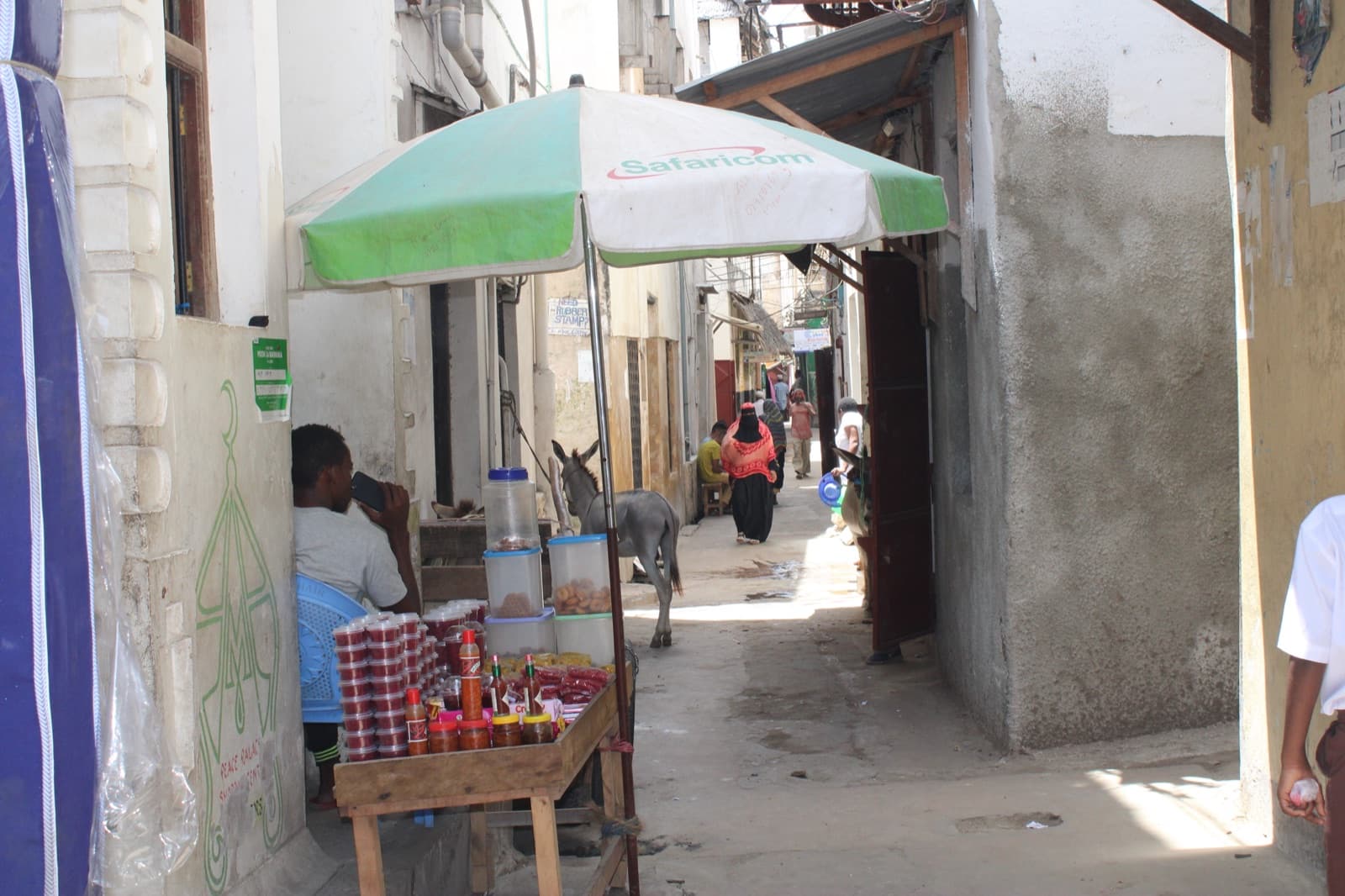
Start early in the lanes behind the waterfront. A guide can read the details you might otherwise pass: coral-stone walls, shaded baraza benches, carved door styles, mosques, wells, and the way homes turn inward around courtyards.
Let the water set the afternoon
A dhow trip is less about checking off islands than moving at the archipelago’s natural speed. Confirm life jackets and weather conditions, then leave room for a swim, a simple lunch, or sunset under sail.
Lamu is not car-free as a novelty. Its streets, trade, and daily movement were shaped at a different human scale.
Travel as a guest
Lamu is a majority-Muslim town with a strong local culture. Dress with awareness away from the beach, ask before photographing people, and adjust during Ramadan or religious festivals. Your guide can explain what courtesy looks like on the week you visit.